
Why One Mouse Usually Means More
Spotting a mouse inside your home can feel like a small, manageable problem. Maybe it darted across the kitchen floor at night. Maybe you noticed droppings in the pantry. Most homeowners hope it’s just one stray rodent that wandered in by accident, something you can solve with a single trap and quickly forget. Unfortunately, when it comes to rodent control, one mouse almost never means just one mouse. In fact, a single sighting is often the first visible sign of a larger, hidden issue already developing behind your walls. Understanding mouse behavior, reproduction patterns, and nesting habits shows why early action matters, especially if you want to avoid a full-blown mouse infestation. Mice Rarely Travel Alone House mice are social animals. While they may forage alone, they typically nest in groups. Once a mouse discovers a reliable food source and safe shelter, it leaves scent trails that attract other mice to the same area. Homes provide everything mice need to thrive: Warmth, especially during colder months Consistent access to food Protection from predators Quiet nesting areas inside walls, attics, crawl spaces, and insulation If one mouse has successfully entered your home, chances are high that others have found the same entry point. This is why pest control services in Milford, CT usually start with a full inspection instead of just setting traps. The mouse you can see is often only the tip of the iceberg. A Single Mouse Is Often a Warning Sign Seeing one mouse during the day can actually indicate a more serious problem. Mice are naturally nocturnal and cautious. They prefer to stay hidden and avoid open spaces. If you’re seeing one out in the open, it may signal: Increased population pressure Competition for food Disturbance in their nesting area A well-established nest nearby In many cases, the mouse you see is simply the boldest member of a much larger hidden population. This is one reason professional mouse removal services focus on identifying nesting sites and entry points, not just removing the mouse in plain sight. Rapid Reproduction Turns Small Problems Into Major Infestations One of the biggest reasons you shouldn’t ignore a single mouse sighting is reproduction speed. Mice reproduce quickly. A female mouse can begin breeding at just six weeks old. She can produce multiple litters per year, and each litter may contain several pups. Under ideal indoor conditions, a mouse population can grow exponentially within weeks. That “one mouse” you saw in January can turn into a serious rodent infestation by early spring. When homeowners delay action, they often find themselves searching for “how to get rid of mice in the home” after the problem has already expanded significantly. Hidden Activity Means Hidden Damage Mice don’t simply exist quietly in your home. They chew, nest, contaminate, and travel constantly. Common damage caused by a growing mouse infestation includes: Chewing electrical wiring, increasing fire risk Destroying insulation for nesting material Damaging wood framing and drywall Contaminating food storage areas Leaving droppings and urine throughout hidden spaces Because most of this activity occurs behind walls or inside attics and crawl spaces, it can go unnoticed for months. Homeowners seeking pest control services in Milford, CT, often discover that what seemed like a minor issue has already caused insulation damage or electrical hazards. Why DIY Mouse Control Often Falls Short It’s tempting to set a few traps and assume the problem is solved. While catching one or two mice may reduce visible activity, DIY methods rarely address the root cause. Trapping alone does not solve: How the mice entered your home Where the primary nest is located Whether additional mice remain hidden What conditions are attracting them Effective rodent removal requires a comprehensive strategy. Without sealing entry points and addressing nesting areas, new mice will continue to enter. This is why professional rodent control in Milford, CT focuses on inspection, exclusion, removal, and prevention , not just temporary fixes. Seasonal Changes Make Homes Even More Attractive Mice frequently enter homes during seasonal temperature shifts. In fall and winter, they seek warmth. In spring, they look for stable nesting environments and food sources. Once inside, they often stay year-round. Homes in Connecticut, particularly older structures, can have small gaps around foundations, utility lines, rooflines, and vents. These openings may seem insignificant, but mice can squeeze through holes as small as a dime. That’s why rodent prevention services emphasize exclusion, sealing even the smallest access points to prevent future entry. The Cost of Waiting Many homeowners take a “wait and see” approach. They assume that if they don’t see additional mice, the problem might resolve on its own. Unfortunately, delaying action often leads to: Larger infestations Increased structural damage More complex exclusion work Higher cleanup and sanitation costs Greater health risks Early intervention is almost always less expensive than addressing a widespread infestation. Professional mouse control services performed at the first sign of activity can prevent months of hidden damage. Health Risks You Shouldn’t Ignore Beyond structural concerns, mice also pose health risks. They leave droppings and urine wherever they travel. These contaminants can spread bacteria and allergens. As droppings dry, particles can become airborne and circulate through HVAC systems, impacting indoor air quality. For households with children, elderly occupants, or individuals with respiratory sensitivities, exposure risks increase significantly. Reliable rodent control services address sanitation as part of the solution, ensuring contamination is properly handled, not just hidden. What Effective Rodent Control Really Looks Like Long-term protection requires more than traps. A professional approach includes: Thorough inspection of attics, crawl spaces, and wall voids Identification of active nesting areas Strategic removal of rodents Sealing and reinforcing entry points Ongoing monitoring when needed This comprehensive process addresses the problem at its source. Homeowners searching for “best rodent control near me” often want a permanent solution, not a temporary reduction in activity. Protecting Your Home Starts with Acting Early A single mouse sighting should never be dismissed as a harmless accident. It is an early warning sign. Taking action early protects:
Let’s Talk Rodents: The Little Houseguests You Never Meant to Invite

If you own a home in Milford, CT, or anywhere in Connecticut, chances are you have had at least one unwanted encounter with rodents. It usually starts small: a faint scratching sound at night, a box in the basement that looks chewed, maybe a few droppings that you try to convince yourself came from somewhere else. Rodents have a way of showing up quietly and overstaying their welcome. By the time most homeowners notice them, rodents have already been settled in for quite a while. At Alpha Wildlife & Pest Management, we handle rodent control every day. We don’t rely on quick fixes; we use real solutions that actually stop rodents from coming back. Once you understand why rodents choose your home in the first place, it becomes much easier to keep them out. Why Rodents Love Connecticut Homes Rodents are not wandering around randomly. They are strategic. Your home checks a lot of boxes for them, especially during fall and winter in Connecticut. Here is what they are really looking for: Warmth: As temperatures drop, garages, attics, basements, and wall voids become perfect shelters. Food: Crumbs, pet food, bird seed, trash, and even stored decorations can attract rodents. Safety: Rodents want quiet places where they feel protected from predators and people. Your attic or crawl space provides that protection. Around the holidays, we often hear from homeowners in Milford, CT, who open storage bins and find droppings or nesting material. That usually means rodents moved in weeks or even months earlier without anyone noticing. Why Ignoring a Rodent Problem Never Works One of the biggest mistakes homeowners make is waiting too long to address a rodent problem, as mice and rats reproduce quickly. Before you know it a few mice have turned into many, and while they are hiding they are doing real damage. Rodents can: Chew electrical wiring, creating fire risks Contaminate food and surfaces Destroy insulation Leave strong odors Damage stored items and decorations This is why mouse control and prevention matter. By the time you see one mouse, there are usually many more. Common Signs of Rodent Activity You do not need to physically see a mouse or rat to know they are there. Rodents leave behind plenty of clues. Some of the most common signs we see during rodent control Milford CT inspections include: Scratching or scurrying sounds Droppings near walls, cabinets, or storage areas Chew marks on boxes, wires, or wood Shredded paper, insulation, or fabric used for nests A musty or unpleasant smell Holiday decoration boxes are a common place to find them. Rodents love cardboard, and storage areas tend to be undisturbed for long periods, giving them plenty of time to settle in. Why Traps Alone Are Not Enough Many people try store-bought traps first. While traps can catch individual rodents, they do not solve the full problem. Traps do not address: How rodents are getting inside Where they are nesting Why they keep coming back Without sealing entry points and addressing conditions that attract rodents, new ones will simply replace the ones you remove. That is why professional rodent control focuses on the full picture, not just removal. How We Approach Rodent Control the Right Way At Alpha Wildlife & Pest Management, our goal is not just to remove rodents. It is to keep them from coming back. Our pest control Milford CT approach includes: A full property inspection Identifying entry points and nesting areas Sealing gaps, cracks, and openings Using safe and effective removal methods Providing clear recommendations for prevention Every home is different, and a solution that works for one property might not work for another. That is why we tailor our approach to your home and situation. Wildlife and Rodents Often Go Hand in Hand Rodents are not the only uninvited guests homeowners deal with in Connecticut. Wildlife such as squirrels, raccoons, and other nuisance animals can create similar problems. These animals often use the same entry points and cause many of the same issues, including damage to insulation, wiring, and structures. Addressing these vulnerabilities helps protect your home from both rodents and wildlife long-term. Proper wildlife removal in Milford, CT starts with prevention, not just removal. Simple Steps You Can Take Right Now While professional help is important for active infestations, there are everyday habits that can make your home less attractive to rodents. Try these simple steps: Store decorations and belongings in sealed plastic bins Keep food tightly sealed, including pet food Clean up crumbs and spills promptly Take trash out regularly Reduce clutter in basements and garages Seal small gaps around doors, pipes, and vents These steps will not solve an active infestation on their own, but they help reduce future risk and support long-term rodent control. Why Local Experience Matters Rodent behavior can vary by location, climate, and building style. A solution that works in another region might not be effective here in Connecticut. As a local Connecticut pest control company based in Milford, CT, we understand the seasonal patterns, common entry points, and wildlife activity specific to this area. That local knowledge makes a big difference in results. When to Call a Professional If you hear noises, find droppings, or see damage, it is time to act. Waiting usually means more damage, more cleanup, and a more difficult solution later. Professional rodent control Milford, CT services help you: Identify the source of the problem Remove rodents safely Prevent future infestations Protect your home and family Rodents are part of the environment in Connecticut, but they do not belong inside your home. If you see signs of rodent activity or want peace of mind before the problem grows, Alpha Wildlife & Pest Management is here to help. We provide reliable rodent control and wildlife removal in Milford, CT, services designed to actually work, not just temporarily fix the issue. Your home should be a place of comfort, not a space shared with uninvited guests. A Quick Word on Prevention Moving Forward One thing we always tell homeowners is that rodent control is not a one-time event. Homes change over time. Weather shifts. Small gaps form. Landscaping grows closer to the house. What worked last year might not be enough this year. Scheduling routine inspections with
Ants in Homes in Spring: What Attracts Them and How to Stop Them
Are you one of those people who love everything about the spring season? The warmer weather, blooming gardens, and longer days? However, we bet you don’t like the increased ant activity that comes with warmer temperatures, increased humidity, and abundant food sources. While seeing a few ants in your home may seem harmless, these pesky insects can quickly establish colonies inside your walls, beneath flooring, or around moisture-damaged wood. If you, too, have a line of these tiny invaders marching across your kitchen countertop, this guide is for you. Why do ants suddenly appear in homes in spring? We’re often asked where these pesky pests suddenly appear from during spring. Here is the answer. As temperatures rise, overwintered ant colonies become active again and start searching for food and water to feed their growing broods. Workers follow chemical “trail” signals laid by their nestmates, which is why you often see a steady line of ants leading from an entry point to a food source. In spring, this search intensifies because colonies need extra resources after the winter slowdown, and your home offers reliable shelter, moisture, and easy meals. This timing explains the seasonal spike in “ants invading homes in spring” and why you first notice them around March through June. What attracts ants into my house, specifically in the spring months? Ants are drawn to three basic resources: food, water, and nesting sites. Food: All those sugary spills, open grain bins, crumbs, and even the dirty dishes can lure ants inside your home Water: There are some moisture-dependent ant species that get drawn to damp basements, condensation under sinks, and even leaky faucets. Nesting: Ants can seek refuge within door frames, gaps around pipes, and cracks in the foundation. Research on ant foraging behavior shows that these insects follow pheromone trails created by successful scouts, meaning once one ant finds a reliable food or moisture source, others quickly follow. That’s why you often see ants marching into your home in spring along the same countertop seam or window frame every time. Which types of ants are most common in Connecticut homes? If you are interested in learning about the types of ants infesting your Connecticut homes, here is some info for you. In and around Connecticut, several species are especially likely to wander indoors in spring: Argentine ants: These are highly social ants, attracted to sweets and proteins, and known to follow trails along pipe routes and baseboards. Carpenter ants: Those larger, black ants that you hate to see inside your home are the carpenter ants. These are typically drawn to damp or decaying wood in foundations, decks, or framing. Odorous house ants and pavement ants: Both are common nuisance invaders that nest in soil, mulch, or under slabs and will follow food odors into kitchens. Integrated pest management resources emphasize that correctly identifying the species helps you choose the right bait and control strategy, rather than just killing individual ants. How can I stop ants from entering my home this spring? If you want to stop ants from entering your home, you will have to block their access and remove all the reasons they want to come in. Here are some things you can do to achieve this: Seal all entry points Start with caulking cracks around foundations, windows, and where pipes or wires enter the house. Also, install weather‑stripping on doors and repair torn window screens. Practice serious sanitation Make sure you store sugar, cereal, and pet food in airtight containers. Wipe all the counters, sweep floors, and take out trash daily to remove food residues that attract worker ants. Reduce moisture and clutter As we said earlier, ants can be attracted to moisture. So, fix leaky faucets and pipes, and keep bathrooms and basements dry. Move any mulch, woodpiles, and dense vegetation several inches away from your foundation to discourage nesting. We recommend these sanitation and exclusion steps because they directly undercut the core attractants ants rely on. What can I do about an existing ant trail or infestation? If you already see an ant trail, you may be tempted to kill a few ants, but believe us, it won’t solve the problem. Ants use pheromone lines to guide others, so wiping those trails is essential. The following steps can help: Clean the trail Wash the trail area with warm, soapy water to remove the chemical scent. This prevents reinforcements from following the same path. Use proper ant baits There are some ant baits available that can help get rid of the infestation to some extent. Worker ants tend to carry bait back to their nest and share it with others, eventually killing the entire colony. Consider professional help If you want a long-term and effective solution to ant infestation in your home, it is best to use professional pest control services. This is particularly important if you see recurring ant trails or suspect nests in walls or under foundations. Professionals can identify the species and apply targeted treatment while minimising the use of harmful chemicals indoors. The goal should be not just to kill visible ants but also to reach the nest and kill the entire colony, including the queen ant. Final thoughts Don’t let spring ant activity become your yearly headache. By understanding what attracts ants into homes in spring, which includes food, water, and shelter, and taking simple steps to block entry and remove attractants, you can enjoy a cleaner, more comfortable home all season. For recurring or stubborn ant trails, a professional pest‑control partner can help you move from reaction to prevention with a targeted, long‑term plan. If you’re tired of watching ants marching into homes in spring, contact Wildlife Pest Control CT today for a free inspection and a customized ant‑control strategy tailored to your Connecticut home.
What Noises in Your Attic Mean: Species by Species
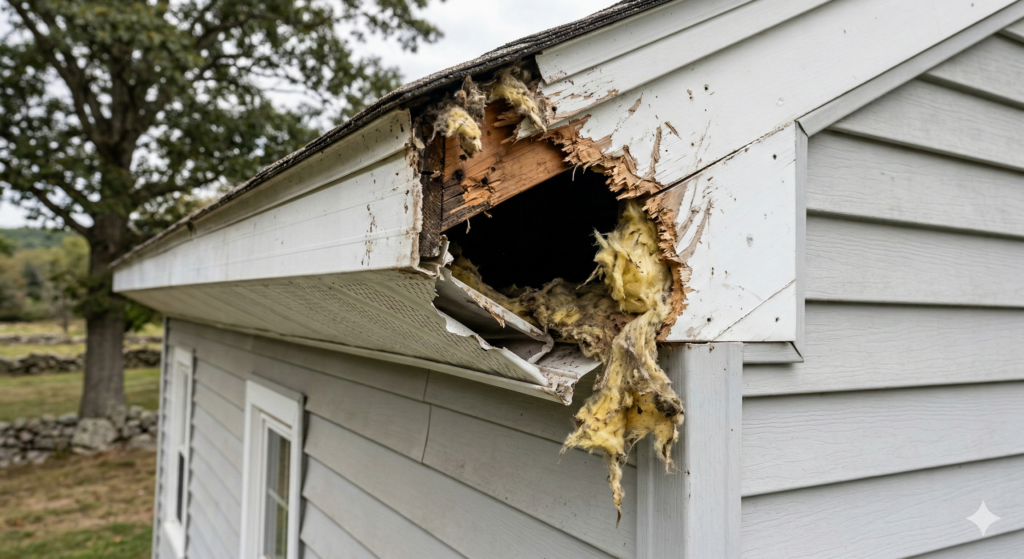
If you hear unfamiliar and weird sounds coming from your attic, you’re not alone. You may think that you’re imagining things, but those rustles, thumps, and scrabbling noises often signal wildlife activity well before you see physical damage. The good news? You can pinpoint what’s up there based on the type of noise, when it happens, and how frequent it is. You can hire professionals who will use these auditory clues combined with inspection evidence to identify wildlife species and recommend the right steps to protect your home. Understanding what those sounds mean helps you act before insulation gets shredded, wiring gets chewed, or safety risks multiply. Why Attic Noises Matter Your attic isn’t meant to be a bustling apartment for critters. When animals invade that space, they can cause: Structural damage Chewed wiring (fire risk) Soiled insulation Unpleasant smells Noises are often the first sign of a problem. Learning to decode them doesn’t require listening expertise, but a bit of pattern recognition goes a long way. Do you hear scurrying and scratching? If you hear quick, light, rapid footsteps, especially in the daytime, you’re likely dealing with squirrels. Squirrels are active during daylight hours, particularly in the morning and late afternoon. Their movement is fast and erratic. These rodents have sharp claws that grip wood and nails, so you might hear skittering, occasional thumps, or rustling of leaves or twigs they’ve brought inside. Squirrels chew for a reason: their teeth never stop growing. That makes your attic wood and wiring extra vulnerable. What do fluttering and scratching mean? Birds and bats offer a very different acoustic profile. Birds are active during the day and are often trapped by accident after flying in through a vent. You will hear constant flapping and “peeping” as they struggle to find an exit. Bats, on the other hand, are much subtler. They don’t have vocalisations that humans can easily hear, but as they prepare to leave at dusk, you may hear a high-pitched “chirp” or a light scratching sound as they crawl toward their exit gap. A heavy infestation might lead to a “rustling” sound, similar to dry leaves being shaken in a bag, as they jostle for position in the attic insulation. Does nighttime scampering keep you awake? High-pitched squeaks and rapid patter scream rats. They are active post-sunset and squeeze through dime-sized gaps, breeding year-round with litters every 21 days. Their greasy trails and fruit-scented urine mark well-worn runs along beams and pipes. In urban attics, one pair balloon to dozens monthly, gnawing on HVAC ducts or contaminating stored holiday decorations. Prompt trapping halts colonies before they chew electrical insulation, posing serious fire risks in tight spaces. What are those heavy thuds and crashes? It’s likely the raccoons. These masked bandits crash-land from roofs, ripping soffits or vents for spacious dens, their weight shaking loose dust and debris. Their growls, chittering, and heavy steps rattle joists, especially mothers with kits in spring who defend nests fiercely. Coastal Connecticut sees plenty amid trash-rich neighbourhoods, where garbage fuels their bold invasions. They target chimneys and loose flashing, too; pros use one-way doors to evict safely without harming the nursing young. Do the slow crawls and hisses scare you? Rare but ominous: snakes slither with dry rasps or scales brushing debris. Garter or rat snakes hunt rodents upstairs, drawn by feasts of mice or rats already infesting. Their muscular slides rustle insulation or papers, sometimes accompanied by shed skins. In rural Connecticut attics, cooler spots lure them seasonally during hot summers or mild winters. Visual confirmation rules out mimics like vines; relocation keeps ecosystems balanced without killing beneficial predators. Why “DIY” often fails the noise test? Homeowners often make the mistake of simply plugging a hole the moment they hear a noise. This is a recipe for disaster. If you seal a mother raccoon out while her kits are still inside, she will literally tear your roof shingles apart to get back to them. If you seal a squirrel inside, it will chew through electrical wiring or drywall in a panic to escape. Professional exclusion is about timing. At Wildlife Pest Control, we ensure the attic is vacant before the final seal is made. This prevents the “dead animal smell” that occurs when a pest is trapped and dies in the insulation, which creates a whole new set of problems. Key Takeaway To identify an attic intruder, pay closest attention to when the noise happens. Daytime scurrying usually points to squirrels, while heavy thumping or vocalizations at night suggest raccoons. Light, frantic nocturnal scratching is the hallmark of rats or mice. Identifying these patterns early allows for a targeted exclusion strategy that protects your home’s wiring, insulation, and structural integrity. Stop the scratching and reclaim your peace of mind. Contact Wildlife Pest Control today for a professional attic inspection. We’ll identify the intruder and provide a permanent, humane solution. Call us now to get started!