If you hear unfamiliar and weird sounds coming from your attic, you’re not alone. You may think that you’re imagining things, but those rustles, thumps, and scrabbling noises often signal wildlife activity well before you see physical damage. The good news? You can pinpoint what’s up there based on the type of noise, when it happens, and how frequent it is.
You can hire professionals who will use these auditory clues combined with inspection evidence to identify wildlife species and recommend the right steps to protect your home. Understanding what those sounds mean helps you act before insulation gets shredded, wiring gets chewed, or safety risks multiply.
Why Attic Noises Matter
Your attic isn’t meant to be a bustling apartment for critters. When animals invade that space, they can cause:
- Structural damage
- Chewed wiring (fire risk)
- Soiled insulation
- Unpleasant smells
Noises are often the first sign of a problem. Learning to decode them doesn’t require listening expertise, but a bit of pattern recognition goes a long way.
Do you hear scurrying and scratching?
If you hear quick, light, rapid footsteps, especially in the daytime, you’re likely dealing with squirrels.
Squirrels are active during daylight hours, particularly in the morning and late afternoon. Their movement is fast and erratic. These rodents have sharp claws that grip wood and nails, so you might hear skittering, occasional thumps, or rustling of leaves or twigs they’ve brought inside.
Squirrels chew for a reason: their teeth never stop growing. That makes your attic wood and wiring extra vulnerable.
What do fluttering and scratching mean?
Birds and bats offer a very different acoustic profile. Birds are active during the day and are often trapped by accident after flying in through a vent. You will hear constant flapping and “peeping” as they struggle to find an exit.
Bats, on the other hand, are much subtler. They don’t have vocalisations that humans can easily hear, but as they prepare to leave at dusk, you may hear a high-pitched “chirp” or a light scratching sound as they crawl toward their exit gap. A heavy infestation might lead to a “rustling” sound, similar to dry leaves being shaken in a bag, as they jostle for position in the attic insulation.
Does nighttime scampering keep you awake?
High-pitched squeaks and rapid patter scream rats. They are active post-sunset and squeeze through dime-sized gaps, breeding year-round with litters every 21 days.
Their greasy trails and fruit-scented urine mark well-worn runs along beams and pipes. In urban attics, one pair balloon to dozens monthly, gnawing on HVAC ducts or contaminating stored holiday decorations.
Prompt trapping halts colonies before they chew electrical insulation, posing serious fire risks in tight spaces.
What are those heavy thuds and crashes?
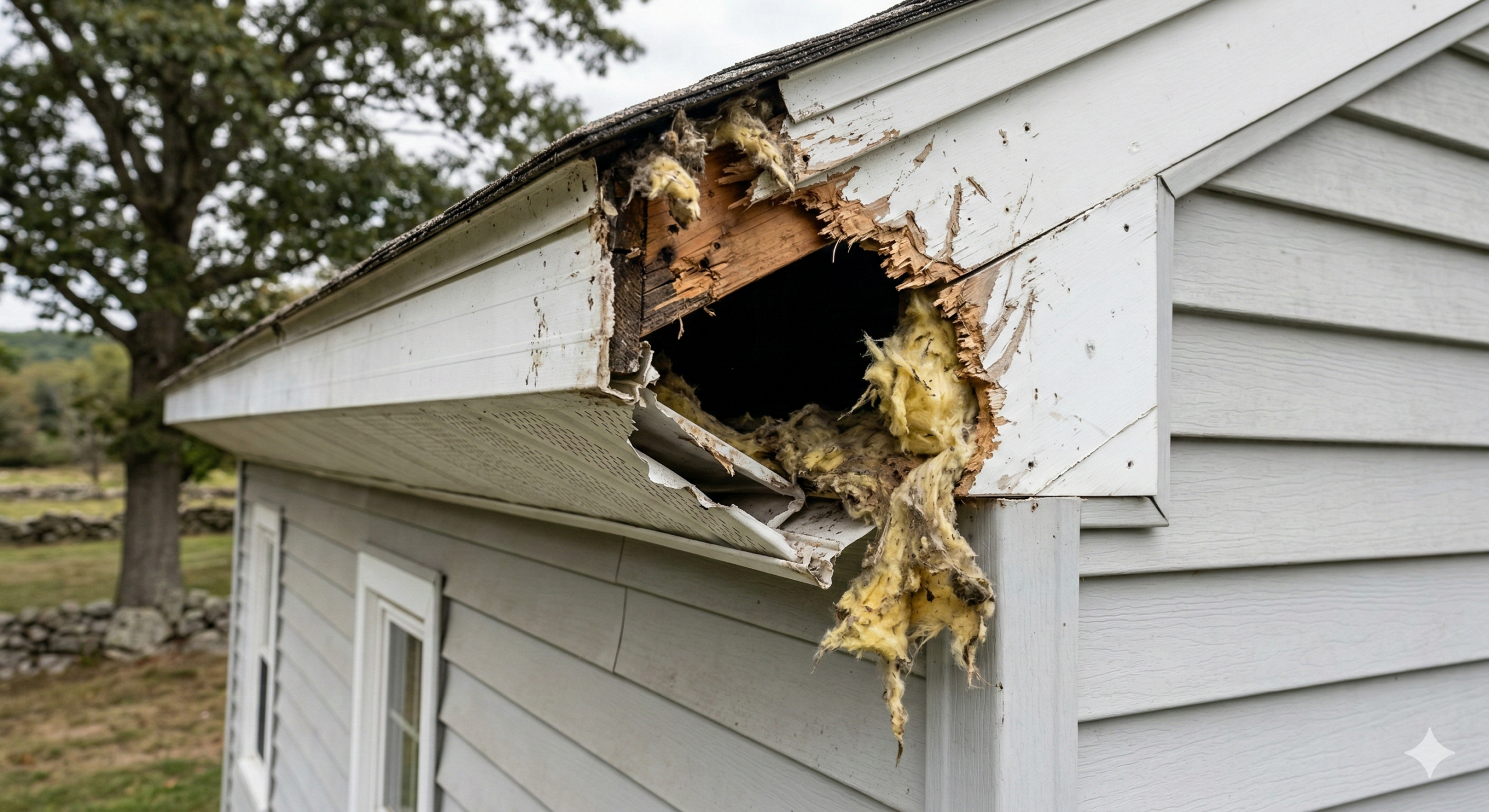
It’s likely the raccoons. These masked bandits crash-land from roofs, ripping soffits or vents for spacious dens, their weight shaking loose dust and debris.
Their growls, chittering, and heavy steps rattle joists, especially mothers with kits in spring who defend nests fiercely. Coastal Connecticut sees plenty amid trash-rich neighbourhoods, where garbage fuels their bold invasions.
They target chimneys and loose flashing, too; pros use one-way doors to evict safely without harming the nursing young.
Do the slow crawls and hisses scare you?
Rare but ominous: snakes slither with dry rasps or scales brushing debris. Garter or rat snakes hunt rodents upstairs, drawn by feasts of mice or rats already infesting.
Their muscular slides rustle insulation or papers, sometimes accompanied by shed skins. In rural Connecticut attics, cooler spots lure them seasonally during hot summers or mild winters.
Visual confirmation rules out mimics like vines; relocation keeps ecosystems balanced without killing beneficial predators.
Why “DIY” often fails the noise test?
Homeowners often make the mistake of simply plugging a hole the moment they hear a noise. This is a recipe for disaster. If you seal a mother raccoon out while her kits are still inside, she will literally tear your roof shingles apart to get back to them. If you seal a squirrel inside, it will chew through electrical wiring or drywall in a panic to escape.
Professional exclusion is about timing. At Wildlife Pest Control, we ensure the attic is vacant before the final seal is made. This prevents the “dead animal smell” that occurs when a pest is trapped and dies in the insulation, which creates a whole new set of problems.
Key Takeaway
To identify an attic intruder, pay closest attention to when the noise happens. Daytime scurrying usually points to squirrels, while heavy thumping or vocalizations at night suggest raccoons. Light, frantic nocturnal scratching is the hallmark of rats or mice. Identifying these patterns early allows for a targeted exclusion strategy that protects your home’s wiring, insulation, and structural integrity.
Stop the scratching and reclaim your peace of mind. Contact Wildlife Pest Control today for a professional attic inspection. We’ll identify the intruder and provide a permanent, humane solution. Call us now to get started!